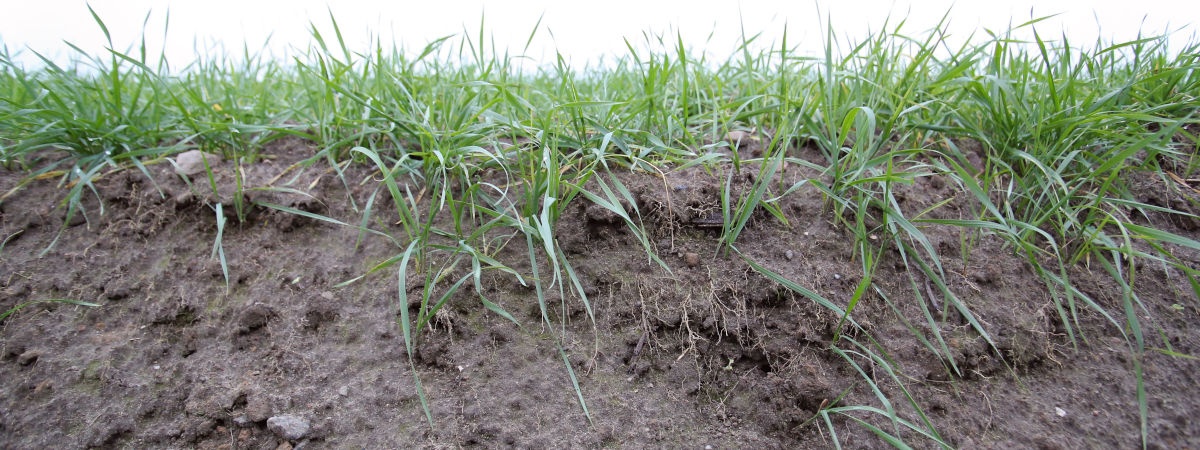
Porosity is defined as the volume of voids or the space between particles. Soil is primarily composed of solids, gases, and liquids, and its porosity is determined by these components. Good porosity is characterized by a balance of these three elements, which is essential for maintaining healthy vegetation.
Macropores and Micropores
Porosity is divided into two distinct forms: macropores and micropores. Macropores are the larger spaces between particles. Here are some characteristics of macropores:
- Macropores are essential for water and air retention; however, water is retained for a shorter period.
- Unlike micropores, due to their larger size, they allow water to flow down to groundwater through gravity.
- The porosity and aeration of soil are generally determined by the ratio of macropores in the soil.
Micropores, on the other hand, function in the opposite way. They retain elements for a long-term period since they are not affected by gravity. Therefore, an imbalance in the macropore-to-micropore ratio directly impacts soil quality and its ability to support plant life.
Consequences of Poor Porosity
If there are too many macropores, the soil will be highly susceptible to drainage, leading to leaching or lixiviation in cases of severe imbalance. Conversely, if there are too many micropores, excessive water retention will occur. In both cases, a poor balance in soil composition can eventually lead to the destruction of clay-humus complexes over time, significantly reducing soil fertility.
Main Soil Types and Their Porosity
- Loamy Soil: Loamy soil has very good porosity. It maintains a balance of silt, sand, clay, and organic matter. This mix, with the right ratio, results in highly fertile soil with excellent drainage. It is rich in nutrients and ideal for plant growth.
- Sandy Soil: Highly porous, low or non-fertile, with poor water retention.
- Clay Soil: Low porosity, very compact, poor permeability, sensitive to frost but rich in nutrients. Plant roots struggle to develop in this type of soil.
- Silty Soil: Moderately porous, retains a lot of water, and compacts easily. This type of soil is rich in nutrients.
Feel free to contact us if you believe your soil could benefit from treatment or monitoring to ensure optimal plant growth!