Pruning
Tree pruning involves the strategic removal of living or dead branches to optimize health and safety. A conscientious arborist preserves the natural silhouette of the species while ensuring its structural integrity.
Structural Pruning (Young Trees)
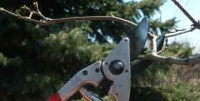
Structural pruning is vital during a young tree's growth phase. This proactive step dictates future development and significantly reduces the need for invasive interventions once the tree reaches maturity. Proper pruning by a qualified arborist ensures a resilient structure, helping the tree withstand extreme weather and urban stress.
"Determine today what it will look like later."
Understanding compartmentalization is key. Our experts prioritize precise cut placement and the use of sanitized tools to promote the tree’s natural defense mechanisms. The earlier the pruning occurs, the smaller the wound—minimizing the risk of infection and maximizing longevity.
"A poorly executed cut will be very damaging to the tree."
Pruning established trees
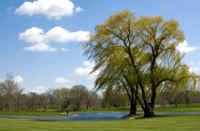
As a tree matures, the presence of diseased, dead, or crossing branches can encourage pests and fungi. Removing these elements is essential to maintain vigor and prevent long-term decline. Whether for aesthetics or health, professional pruning by a certified arborist ensures a safer, stronger canopy.
Practical pruning
Crown raising
Removing lower branches to provide clearance for pedestrians, vehicles, or structures. This must be done according to professional standards to avoid unbalancing the tree.
Thinning
Reducing the density of the canopy to allow more light and air penetration without compromising the tree's natural form.
Clearance Pruning
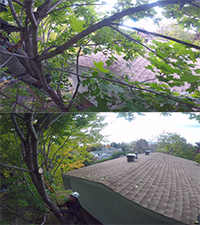
Essential for preventing damage to your home, roof, or neighboring properties.
Attention! Utility line clearance must be done by professionals; see the overhead utility lines section.
Aesthetics and Integrity
Respecting a tree means prioritizing its naturally majestic form. We strongly advocate for "the right tree in the right place" rather than resort to topping or unnatural shaping (balls, squares, etc.). These harmful practices drastically shorten a tree's lifespan. We stand firmly against methods that compromise tree biology for temporary aesthetics.
See the bad practices section.
Fruit tree pruning
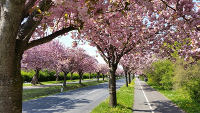
Best performed in early spring before bud break to maximize fruit production and tree health.
Tree restoration
If a tree has been previously topped or poorly pruned, it will produce weak "water sprouts." Restoring these trees is a complex, multi-year process that requires the specialized knowledge of an experienced arborist.
We entrust our pets to veterinarians and our health to doctors. Your trees deserve the same professional care. Entrust them to an arborist who truly understands their needs.
Contact us for expert pruning in Longueuil and the South Shore. Quality craftsmanship at competitive prices.
