Every tree planted contributes to the fight against climate change and urban heat islands, making tree planting an initiative worth promoting. Scientific studies show that vegetation enhances our quality of life and overall well-being when we are regularly surrounded by it.
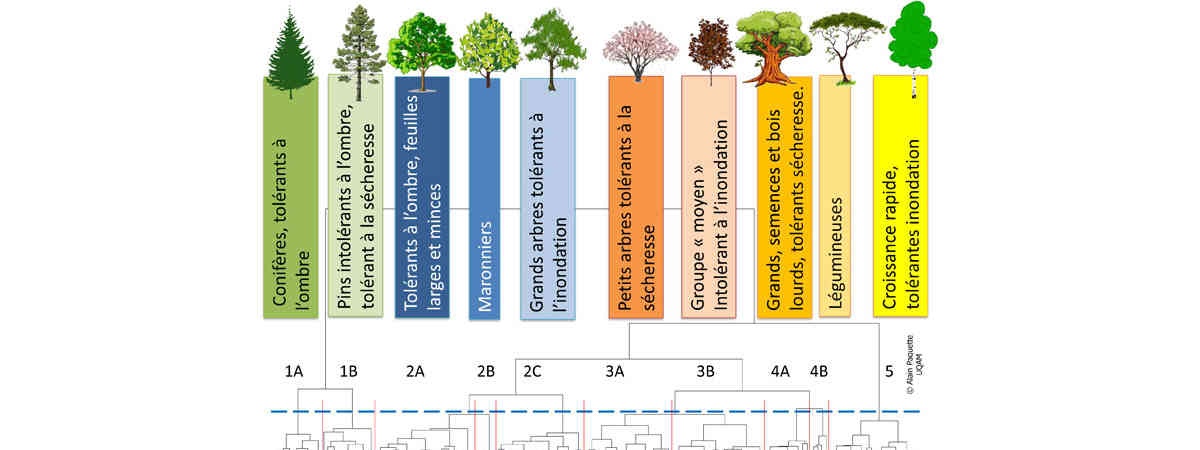
Before planting a tree, it is crucial to research what the tree will look like once mature. Unfortunately, too many trees are planted in locations where they do not belong. A poorly placed tree may end up being excessively pruned or even removed due to nuisance concerns. Understanding the space a tree will occupy at maturity is essential. Each tree species has specific requirements regarding optimal placement and preferred growth conditions.
Several factors should influence your tree selection:
- The orientation and characteristics of your property
- The intended purpose of the tree: summer shade, erosion control, wind protection
- The soil type on your property
- The tree’s characteristics once fully grown
When planning a tree planting, having the right tools to select the appropriate species is essential. Multiple factors, such as those listed above, can help determine which tree species will thrive best in your chosen location. If you have specific trees in mind and want to confirm their suitability for your planting site, we recommend visiting Hydro-Québec’s website under the section Choosing the Right Tree or Shrub Tool. This resource provides valuable information on tree size, the recommended distance from power lines and foundations, and how to ensure the survival and proper development of your newly planted tree.
Choosing the Right Tree or Shrub Tool : Hydro-Québec Tree Selection Guide
The Importance of Biodiversity in Tree Selection
Promoting a variety of plant species in urban landscapes is crucial. Monoculture, the planting of only one tree species in a given area, can harm ecosystems and lead to long-term negative consequences for local wildlife and flora. When a single tree species dominates a region, it becomes accessible to only a limited number of insects and animals.
For example, the emerald ash borer has devastated ash trees, leading to widespread tree mortality. In neighborhoods where ash trees were the dominant species, this has resulted in barren landscapes, significantly impacting local wildlife. This situation illustrates the importance of polyculture, the diversification of tree species in an area, when planning tree plantings.
Tree Species to Avoid Due to Disease
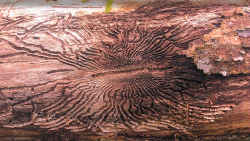
Ash tree planting is strongly discouraged and even prohibited in some areas, such as Longueuil. If you choose to plant an ash tree, you will need to treat it throughout its lifespan to protect against this devastating insect. For more information on the emerald ash borer, visit our blog: Emerald Ash Borer.
Similarly, elm trees should be avoided due to Dutch elm disease, which has decimated large populations of elms across the region. Most cities do not implement treatment programs to combat the disease (except Québec City). If you plant an elm tree, the risk of infection is extremely high. More details are available in our blog: Dutch Elm Disease.
Cherry and plum trees should also be avoided due to black knot disease, which severely affects Prunus species. This disease compromises the aesthetic appeal of the tree and ultimately leads to its death. Learn more about black knot disease in our blog: Black Knot.
All of the tree species mentioned above are best avoided, as treating their respective diseases is difficult and often impractical. In some cases, treatment is not even feasible.
Tree Planting: A Lifelong Choice
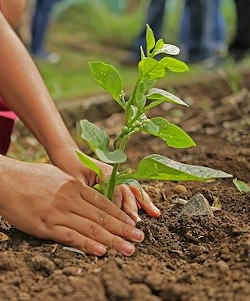
Planting a tree requires careful consideration, as many factors influence the ideal species for a given property. Simply visiting a local nursery is not enough to ensure that the tree you choose is well-suited for your environment. A proper evaluation of your surroundings will help you select the best tree variety, allowing it to grow and develop unhindered while providing beauty and majesty.
A well-established, mature tree can increase property value and enhance the quality of life for homeowners and their neighbors.
Tree planting is a decision that lasts a lifetime, so take the time to choose wisely. If you plant a tree without analyzing its long-term impact on your property, you may ultimately need to remove it once it reaches maturity due to nuisance concerns, proximity to foundations, or interference with power lines. Think carefully before making your choice!
Sources
https://www.hydroquebec.com/securite/lignes-distribution/importance-choisir-bonne-
essence-arbre-arbuste.html
https://arbres.hydroquebec.com/recherche-arbres-arbustes
https://jardinierparesseux.com/tag/choisir-le-bon-arbre-pres-des-fils-electriques/
https://unpointcinq.ca/techno/bon-arbre-au-bon-endroit/