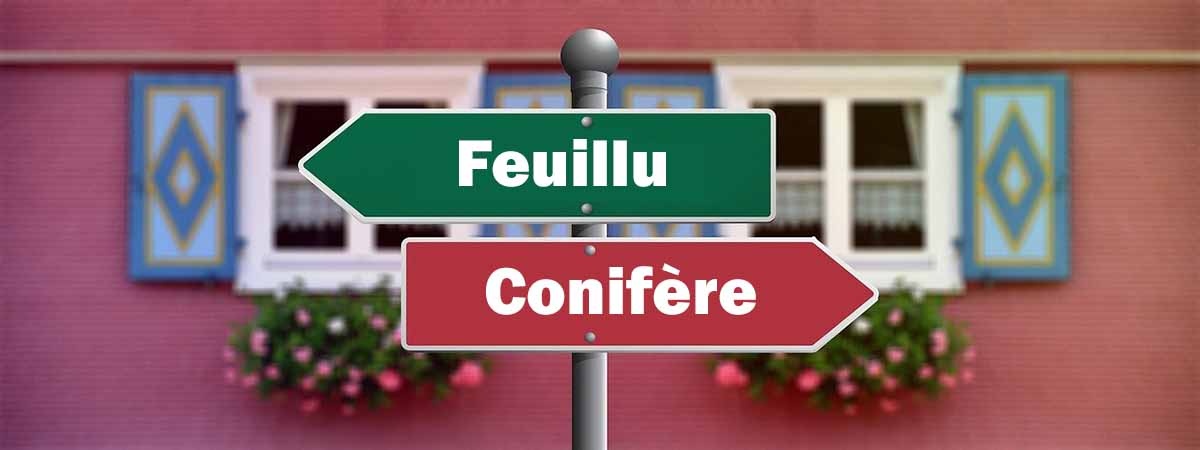
Choosing the Right Tree
Before planting a tree, it is important to define your long-term goals. Do you want a tree that provides shade for your patio, or do you prefer a tree that will attract birds to rest in its branches? Are you looking to create privacy on your property, or would you rather plant a tree that will increase your home’s value over time? Defining your objectives clearly will help you select the tree that best meets your needs.
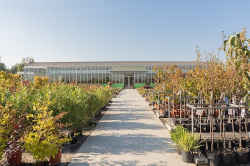
Several factors influence tree selection, including:
- Sunlight exposure: Choose a tree suited to the level of light on your property.
- Soil drainage capacity: If your soil does not drain well, select a tree that can tolerate water accumulation.
- Tree resistance to extreme cold and heat.
- Space constraints: Consider how much space the tree will need once it reaches maturity. Ensure the tree has enough room around it and check the locations of underground and overhead utilities before planting.
- Pests: Select a tree based on its resistance to pests. Research common pests in your region and choose a species that will not be negatively affected over time.
Some cities prohibit planting certain tree species. We recommend contacting your municipality before planting to ensure your selected tree is not restricted in your area. You can also visit our website section on municipal regulations to find a non-exhaustive list of prohibited species.
Selecting a High-Quality Tree
Once you have chosen a tree species, it is important to pick a high-quality tree to maximize its survival chances. Look for a well-shaped tree with a strong structure and branches that are evenly spaced without excessive crossing. The trunk should be free from damage and wounds, and the root system must be healthy, as it is crucial for the tree’s overall health.
At the nursery, trees can have bare-root systems, be balled-and-burlapped, or grow in containers. Each planting type has its own advantages and disadvantages. Follow these recommendations based on the type of tree you select:
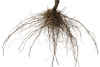
- Bare-root trees: Ensure the roots are intact, with no tears, discoloration, or dryness. Trim damaged roots cleanly before planting. These trees are usually small.
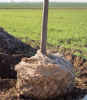
- Balled-and-burlapped trees: These trees have a higher survival rate than bare-root trees but are heavier and harder to handle. They come in larger sizes. Avoid purchasing a tree if the root ball has been damaged or compressed. Additionally, ensure the root collar (the widened base of the trunk) is visible.
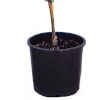
- Container-grown trees: These trees have the highest survival rate because their entire root system remains intact. They experience less transplant shock compared to other types. However, ensure the roots are not deformed—large roots should not circle the tree, as they may eventually suffocate other roots and cause decline. These trees tend to be more expensive and require more frequent watering after planting. Finding a large, tall tree in a container may be challenging.
Taking the time to select the right tree is essential. A strong structure, well-aerated roots, and healthy branches will help ensure long-term survival.
At Arboquébec, we offer professional tree planting services. Visit our Planting section to learn more about our services.
Sources:
https://www.siaq.org/media/1256/selection.pdf
https://www.siaq.org/media/1243/achat.pdf