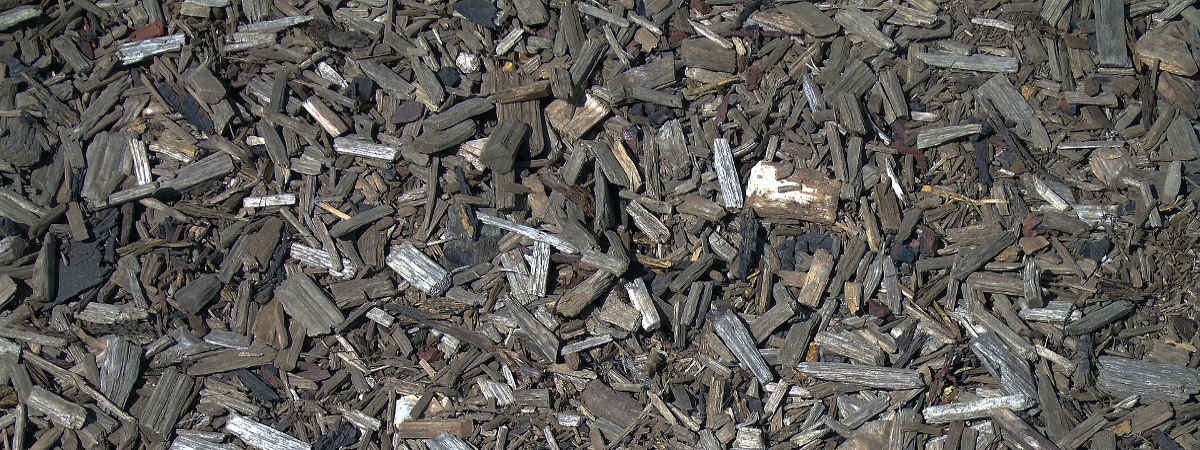
When walking through a forest, it is nearly impossible to see bare soil without first removing a layer of decomposing organic matter. Soil relies on this layer to enrich itself with essential nutrients needed for various plant organisms to thrive. Gardeners can use this natural advantage to improve soil richness and grow healthy vegetation. This soil-covering technique is called mulching.
Over the last decade, mulching has gained popularity in landscaping. Beyond its aesthetic appeal, mulching offers numerous benefits for horticulture and arboriculture, helping plants in several ways.
Benefits of Mulching for Plants
- Reduces weed growth
- Decreases harmful insects, diseases, and slugs
- Minimizes soil temperature fluctuations and boosts microorganism activity
- Enhances water absorption through humus formation
- Retains moisture and prevents soil drying in summer
- Protects soil from harsh weather conditions
- Fertilizes the soil as mulch decomposes over time
- Provides food for earthworms and beneficial microorganisms
- Reduces the need for watering
- Prevents soil crusting (compaction caused by heavy rain)
- Improves soil structure
- Enhances plant growth and overall health
Types of Mulch
Mulching provides significant benefits, but choosing the right type of mulch is crucial based on the needs of specific plants. Not all mulches are equal—some benefit certain plant species while negatively impacting others. It is essential to determine your basic requirements before selecting the most suitable mulch.
Long-Lasting Plant-Based Mulch
This is the most popular mulch type because it closely resembles "natural mulch." Its main disadvantage is that it lacks nutrients when decomposing, and it can take decades to break down. This mulch is primarily used for decorative purposes around trees and along foundations. It is not recommended for flower beds but works well for perennial plants such as trees, shrubs, and large plant groupings. Examples include dyed cedar mulch (blue, orange, pink, etc.), conifer bark, wood chips, and natural brown cedar mulch.
Decomposable Plant-Based Mulch
This type of mulch is the most commonly used in gardens and flower beds. It gradually decomposes over time, enriching the soil and significantly reducing fertilizer needs. However, additional mulch must be applied periodically to maintain soil benefits. To maximize its effectiveness, a 5 cm (2 in.) layer should be maintained at all times, which also helps eliminate airborne weeds.
While many commercial decomposable mulches exist, homemade mulches can also be created using organic "waste." Examples include wood shavings, nut shells, shredded autumn leaves, compost, straw, a mix of peat and grass clippings, and shredded paper. Pine and thuja needles are best used for walkways and paths, as they decompose slowly and may acidify the soil.
Inert or Mineral Mulch
This mulch is primarily decorative, as it does not enrich the soil. It is non-biodegradable. Examples of this mulch type include lava rocks, river stones, marble chips, rubber mulch, and crushed glass. Over time, weeds may still grow through, requiring frequent maintenance. To prolong its effectiveness, this mulch is often placed on top of geotextile fabric to limit weed growth. Mineral mulch is mainly used in rock gardens, xerophilic plants (drought-resistant species), or already nutrient-rich soils.
Sources
https://www.gammvert.fr/conseils/conseils-de-jardinage/paillage-pourquoi-et-comment-le-realiser
https://www.lesoleil.com/maison/horticulture/le-paillis-a-fait-beaucoup-de-chemin-
9a13e94ee98f5f68123a74c0526944ae
http://blog.hortik.com/2012/05/30/paillis-et-paillage-tout-ce-que-vous-avez-toujours-voulu-savoir/